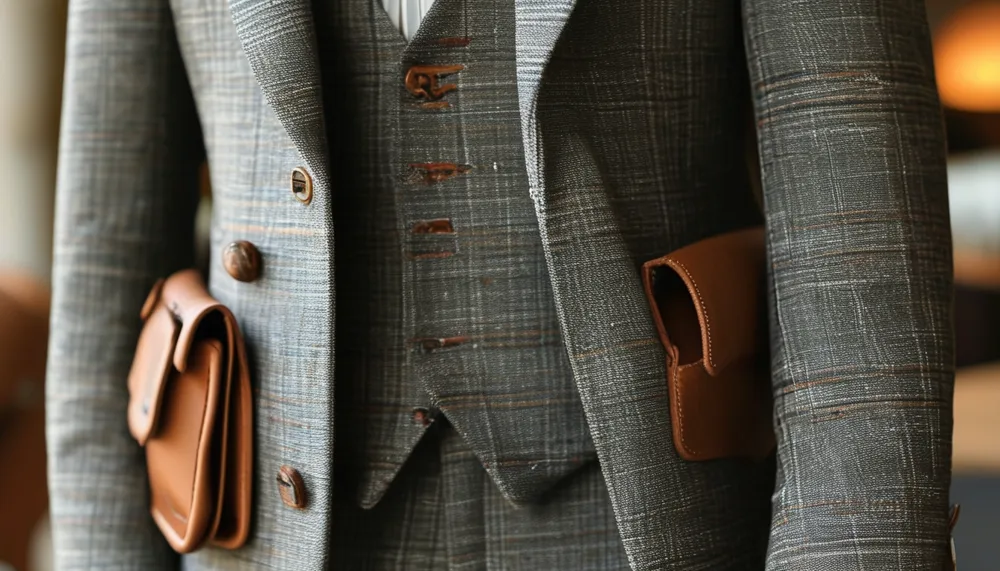
Statement Casual Pieces for Effortless Days
Quick Answer: A statement casual wardrobe needs only three things: one bold outer layer, two or three basics with an interesting cut or color, and a handful of characterful accessories. Keep every piece genuinely comfortable — if you’re adjusting it, you won’t wear it — and the same small set recombines into weeks of outfits.
You own plenty of clothes. You still end up in the same jeans and the same grey tee, and you still feel vaguely invisible in them.
That’s not a wardrobe-size problem. It’s a wardrobe-character problem.
The fix is smaller than you think: a handful of pieces with actual personality, chosen so they work with everything you already own. Then jeans and a tee become a deliberate choice instead of a surrender.

What Makes a Piece a “Statement” Piece?
Not loudness. A statement piece is anything that makes a viewer’s eye stop for a second — and there are only four ways to earn that:
- Color — a saturated or unexpected shade in a wardrobe of neutrals
- Silhouette — an unusual cut, an exaggerated shoulder, a barrel leg
- Texture — bouclé, a chunky rib, a leather, a heavy suede
- Detail — a distinctive button, a contrast seam, sculptural hardware
A plain black jacket with a genuinely striking shoulder line is a statement piece. A bright top in a forgettable shape often isn’t. Knowing which lever you’re pulling stops you from buying three things that all do the same job.
What’s the Highest-Value Statement Piece?
The outer layer, by a distance.
A bold jacket, a vivid oversized cardigan, or a striking coat goes on last, comes off in a second, and completely re-colors everything underneath. One layer, worn over five different basic outfits, produces five looks — and it takes zero styling effort, because you’re literally just putting it on.
Buy it in a color or texture that contrasts with your existing basics rather than matching them. If your wardrobe is navy and grey, a rust, sage, or cream layer earns its keep. If you already live in color, a strong texture — bouclé, corduroy, shearling — does the same job.
Budget-wise, this is the piece worth spending on. You’ll wear it three times a week for five years.
Which Basics Are Worth Upgrading?
Statement basics sound like a contradiction. They aren’t — they’re basics that happen to have one interesting variable.
- Denim with a shape. A barrel leg, a wide leg, a well-cut straight. Same function as your old jeans, completely different presence.
- A knit in a real color. One saturated sweater — a proper red, a deep green, a butter yellow — outperforms four beige ones.
- A tee with a cut. A boxy crop, a good boat neck, a heavier weight that holds its shape. Weight matters more than people expect; a substantial cotton tee reads expensive in a way a thin one never does.
- A comfortable bottom you can move in. For genuinely active weekend days, a pair of squat-proof leggings in a strong color does the statement job and survives whatever the day turns into.
Upgrade the base and everything you build on top of it upgrades automatically. That’s the leverage.

How Do Accessories Fit In?
Accessories are where you can be boldest, because the risk is lowest. A bag you’re unsure about costs you one outfit’s worth of doubt; a coat you’re unsure about hangs there for two years.
Three categories carry most of the effect: sculptural sneakers, a bag with a strong color or shape, and sunglasses with real character. Each one turns a plain outfit into a look, and each one mixes with literally everything else you own.
These are also the pieces that make effortless dressing look deliberate rather than lazy. Same jeans, same tee, different bag — and the outfit reads as a decision.

5 Mistakes Everyone Makes With Statement Casual
- Wearing three statements at once. One focal point per outfit. A bold coat, a bold bag, and bold shoes are three things competing, and the eye gives up.
- Buying statements that don’t match your actual life. A dramatic piece you can only wear to events you don’t attend is a very expensive hanger decoration.
- Sacrificing comfort. This is the big one. If a piece pinches, rides up, or needs constant adjusting, you will not reach for it on a Saturday. Casual dressing is built on ease — a statement that fights you isn’t a casual piece, it’s a chore.
- Choosing statements in colors that clash with your neutrals. Hold the piece against the jeans and coat you actually own before buying. A gorgeous shade that works with nothing is worth nothing.
- Ignoring fabric weight. A thin, limp version of an interesting shape loses the shape immediately. Structure is what makes a silhouette statement read.
How Do You Mix a Small Set Into Endless Outfits?
The math is friendlier than it looks. One bold layer, three characterful basics, and three accessories give you a genuinely large number of combinations — more than enough for a season of weekends without repeating yourself.
The formula that always works: one statement + neutral supporting cast + one accessory with attitude. Rotate which piece is the statement, and the same nine items keep producing outfits that feel new.
Casual dressing was never supposed to mean boring or repetitive. With the right handful of pieces, it becomes the easiest, most personal part of your wardrobe.
Mini FAQ
How many statement pieces do I actually need?
Around six to eight total: one outer layer, two or three basics with character, and three accessories. Beyond that you start owning statements that compete for the same outfit slot.
Can statement pieces be neutral colors?
Yes. A cream oversized coat, a black bag with an unusual shape, or a heavily textured grey knit are all statements — they’re just pulling the silhouette or texture lever instead of the color one. Neutral statements often mix more easily, too.
How do I keep statement pieces from feeling costumey?
Ground them. Pair anything bold with genuinely plain supporting pieces and keep the fit relaxed rather than fussy. One striking element in an otherwise simple outfit reads confident; three read like a theme.
TL;DR:
- A statement piece earns attention through color, silhouette, texture, or detail — pick one lever per piece.
- The bold outer layer is the highest-value buy: it re-colors every outfit underneath in one move.
- Upgrade basics with a shape or a real color rather than adding more neutrals.
- Accessories are the low-risk place to be boldest: sneakers, bag, sunglasses.
- Keep everything comfortable, wear one statement at a time, and six to eight pieces will cover a season.
Keep Reading
This article is for general styling and informational purposes only. Trends, sizing, availability and pricing may vary by brand and season.